











Fair Housing Act in PA: A Practical Screening Process You Can Follow

Key Takeaways
-
Pennsylvania’s fair housing law, including the Pennsylvania Human Relations Act (PHRA), protects ancestry, age 40 and over, and the use of guide or support animals in addition to federal categories. This broad law prohibiting discrimination helps protect fair housing rights, so a checklist built only on federal law leaves gaps.
-
Write your screening criteria down before the listing goes live and apply them to every applicant in the same order to promote equal access to rental housing.
-
Handle requests for reasonable accommodations separately from your standard screening criteria, because an assistance animal isn’t a pet.
-
Tie every denial to a specific written criterion and keep the file to help demonstrate compliance with the Pennsylvania Fair Housing Act and other applicable protections.
Most fair housing problems in a rental don’t begin with bad intent. They begin with a casual question at a showing, a criterion that exists only in someone’s head, or a denial nobody wrote down.
What people call the PA Fair Housing Act is the Pennsylvania Human Relations Act (PHRA), enforced by the Pennsylvania Human Relations Commission (PHRC). It works alongside the federal Fair Housing Act, and Lancaster owners must comply with both. Understanding these protections helps landlords uphold fair housing rights and provide equal access to rental opportunities.
Our team at Fetch Home Management processes rental applications for owners across Lancaster County and four neighboring counties. Below is the sequence we’d follow for fair housing tenant screening, including what landlords can ask at each stage and how to handle reasonable accommodations. It’s educational, not legal advice, so have an attorney review your final criteria.
Step 1: Write Listing Language That Describes the Property
Screening starts with the ad. Describe the unit, rent, lease term, pet policy and screening criteria, and leave out anything about who should apply. Add the Equal Housing Opportunity statement to demonstrate your commitment to fair housing. Under the Fair Housing Act, housing providers must avoid language that could suggest a preference for or against people based on protected characteristics.
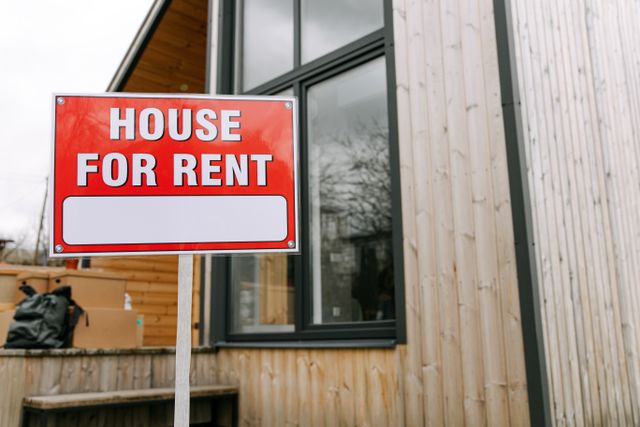
This fair housing law helps prevent housing discrimination across housing related transactions, including rental advertising and tenant selection.
“Perfect for young professionals,” “no kids,” and “steps from the church” describe a preferred tenant, not a property. Age, familial status and religion are all protected under applicable fair housing protections. Housing providers should focus on objective property features instead.
“Second-floor two-bedroom, four blocks from Central Market, off-street parking” says what’s there and lets applicants decide for themselves. These practices support equal housing opportunities and align with the broader goals of the U.S. Department of Housing and Urban Development (HUD), which oversees federal fair housing enforcement.
Step 2: Set Objective Screening Criteria Before You Market
Write the criteria first, then advertise. Winter listings in Lancaster take longer to lease, and a January vacancy is when owners are tempted to bend the rules for the first applicant who shows up. Written criteria remove that temptation and help housing providers maintain a consistent process that reduces the risk of housing discrimination.
Common categories are verifiable income as a set multiple of rent, rental history, credit, identity verification, and occupancy tied to unit size and code. Pick your numbers, then use the same numbers for everyone.
Under the Pennsylvania Human Relations Act and applicable federal fair housing law, landlords must avoid discriminatory screening practices based on protected characteristics, including national origin and disability.
What Landlords Can Ask Versus What They Shouldn’t
Compliant criteria and questions:
-
Verifiable income equal to a stated multiple of monthly rent, applied to every applicant
-
Landlord references on payment history and lease compliance
-
Number of occupants, checked against the unit’s occupancy limit
-
Criminal history reviewed case by case, considering the offense, how long ago it happened, and its relevance to the tenancy
Noncompliant criteria and questions:
-
Asking whether an applicant is pregnant or plans to have children
-
Asking about religion, birthplace, national origin or ancestry
-
Asking about the nature or severity of a disability, including a physical or mental impairment
-
Quoting a higher deposit to one applicant because of who they appear to be
-
Applying a flat “no criminal record, ever” rule to all applicants without considering relevant circumstances
Federal protections under the Fair Housing Act and the Civil Rights Act of 1866, alongside the Pennsylvania Human Relations Act, help safeguard applicants against discrimination in housing. For housing providers, understanding these laws and applying consistent, objective criteria is essential to reducing housing discrimination risks and maintaining a fair housing process.
Step 3: Run Every Applicant Through the Same Process
Consistency is the defense. Give every inquiry the same information and the same showing options. Accept applications in the order complete ones arrive, and log the date and time.

Apply these practices consistently across housing-related transactions, including applications for subsidized housing or properties associated with nonprofit housing programs. Under the Fair Housing Act, screening decisions must not discriminate against applicants based on protected characteristics, including national origin.
A single online application keeps everyone on the same questions and creates a timestamp automatically. Verify income, check landlord references, and run the same reports in the same order every time. Skip informal calls to neighbors or other residents about an applicant.
Those calls produce opinions, not criteria, and can introduce bias into the screening process. Consistent documentation helps housing providers demonstrate that decisions are based on legitimate rental criteria rather than discriminatory assumptions.
Step 4: Handle Accommodation Requests Separately
A request for an assistance animal or a modification isn’t an application defect. Pennsylvania law protects people who use guide or support animals, and federal law covers assistance animals, including emotional support animals. The Fair Housing Act and applicable protections under the Civil Rights Act help safeguard individuals against housing discrimination and support equal access to housing.
If your policy says no dogs, a request for an assistance animal still gets a real review. You may ask for reliable documentation when the disability or the need isn’t obvious. You shouldn’t ask for a diagnosis, and you can’t charge pet rent or a pet deposit for an assistance animal. Answer promptly and in writing. If you’re leaning toward a denial, call your attorney first.
Step 5: Document Every Denial Reason
Every denial should trace back to a line in your written criteria. “Income was below the posted multiple of rent” works. “Didn’t feel like a fit” doesn’t.

Keep the application, verification notes, the criteria in effect that day, and the denial letter in one file. A PHRC complaint can be filed within 180 days, and a HUD complaint within one year. Keep files longer than both windows.
Common Pennsylvania Missteps to Avoid
Treating Federal Categories as the Full List
The PHRA adds ancestry and age 40 and over. A comment like “we want someone younger for the upstairs unit” is a problem under state law even though the federal act doesn’t list age.
Assuming Source of Income Is Always Fair Game
The state act doesn’t list source of income, but municipalities can adopt their own rules. Lancaster County has dozens of boroughs and townships, so check the ordinance where the property sits.
Using Blanket Criminal History Bans
HUD has said a flat ban can have an unjustified discriminatory effect. Look at the type of offense, the time elapsed, and whether it relates to the tenancy.
Confusing Licensing With Screening
Lancaster City‘s rental license and inspection process governs the condition and occupancy of the unit, not who you select. Use the occupancy limit from the license or code, and apply it to everyone.
Bottom Line
Fair housing compliance in screening comes down to order. Decide the rules, write them down, run every applicant through them, and record what happened. That sequence also protects the investment, because an owner with a clean file and consistent criteria stands on firmer ground than one relying on instinct during a slow week.
Fetch Home Management works with Central PA owners as a partner, from application processing through lease coordination. If you’d like to talk through your screening process or a Lancaster County rental, let’s talk. Reach us by phone, web form or email.
Frequently Asked Questions About Fair Housing Tenant Screening
Can I Charge a Pet Fee for an Assistance Animal?
No. Under HUD’s guidance, an assistance animal isn’t a pet, so pet rent, pet deposits and pet fees don’t apply. You can still hold the resident responsible for actual damage the animal causes, the same way you would for any other damage.
You can also deny a request if the specific animal poses a direct threat or would cause undue burden, but that decision should rest on the individual animal’s behavior and the facts, not on breed assumptions.
How Long Does an Applicant Have to File a Fair Housing Complaint?
In Pennsylvania, a complaint to the PHRC must generally be filed within 180 days of the alleged discriminatory act. A federal complaint to HUD can be filed within one year.
Do Fair Housing Rules Apply to Owners With One Rental?
Often, yes. The federal exemptions are narrow, and they generally don’t apply when an owner uses a broker or agent or publishes an advertisement with discriminatory language. The PHRA has its own exemptions that differ from the federal ones.
Because small owners often assume they’re exempt and then use an agent or post an ad that removes the exemption, the safest approach is to follow the same written process every time.
Can I Deny Someone for Poor Credit or a Prior Eviction?
Generally yes, if the standard is written, tied to a legitimate business reason, and applied to every applicant the same way. Problems arise when criteria are applied unevenly, such as accepting a low credit score from one applicant but not another.
Who Is Responsible for Fair Housing Compliance If a Manager Screens Applicants?
Hiring a manager to handle screening and application processing doesn’t remove the owner’s responsibility. Owners can be held accountable for the actions of their agents, so approve the written criteria before marketing begins and ask how denials are documented.
Disclaimer: Please note that the information provided in this blog is intended for general guidance and should not be considered as a replacement for professional legal advice. It is important to be aware that laws pertaining to property management may change, rendering this information outdated by the time you read it.